
Understanding the Financial Investment
Visiting a casino often seems like a thrilling escape, but it’s essential to recognize the hidden financial implications that accompany frequent visits. Beyond the immediate costs of playing table games or slots, there are additional expenses that can significantly affect one’s budget. Transport costs, including gas or rideshare services, as well as parking fees, can accumulate quickly, especially if visits become a weekly routine. Many gamblers overlook these peripheral expenses, focusing solely on their cash stakes at the gaming tables, while some may also seek a fast withdrawal casino uk to enhance their experience.
Moreover, the allure of casino amenities can lead to overspending. Many venues entice players with complimentary drinks, meals, or lodging, creating an unspoken pressure to remain on-site longer and engage more. This phenomenon can lead to unaccounted spending, as individuals may feel inclined to indulge in these offerings, resulting in inflated overall expenses. This is particularly noticeable during promotions or events meant to draw in more visitors, which can leave players grappling with unexpected costs.
Additionally, frequent casino visitors may fall into the trap of chasing losses. This behavior often leads players to increase their betting amounts in an attempt to recover previously lost funds. Unfortunately, this strategy can lead to even greater financial loss, creating a cycle of gambling that becomes increasingly difficult to break. As such, understanding the comprehensive financial landscape surrounding casino visits is crucial for anyone looking to maintain responsible spending habits while enjoying their pastime.
Impact on Lifestyle Choices
Frequent casino visits can also impact personal relationships and lifestyle choices in subtle yet profound ways. As individuals dedicate more time to gambling, they may find themselves neglecting other essential aspects of their lives, such as family, friends, and health. The excitement of hitting a jackpot can overshadow the need for balance, causing individuals to prioritize gambling activities above social interactions or personal responsibilities.
The social environment of a casino can be intoxicating, often encouraging prolonged engagement. When individuals begin to choose the casino over family gatherings or significant life events, it can create rifts in relationships. Loved ones may feel neglected or unvalued, leading to tension and ultimately affecting mental well-being. Recognizing these shifts in lifestyle is crucial for frequent visitors whose gambling habits might inadvertently harm their personal lives.
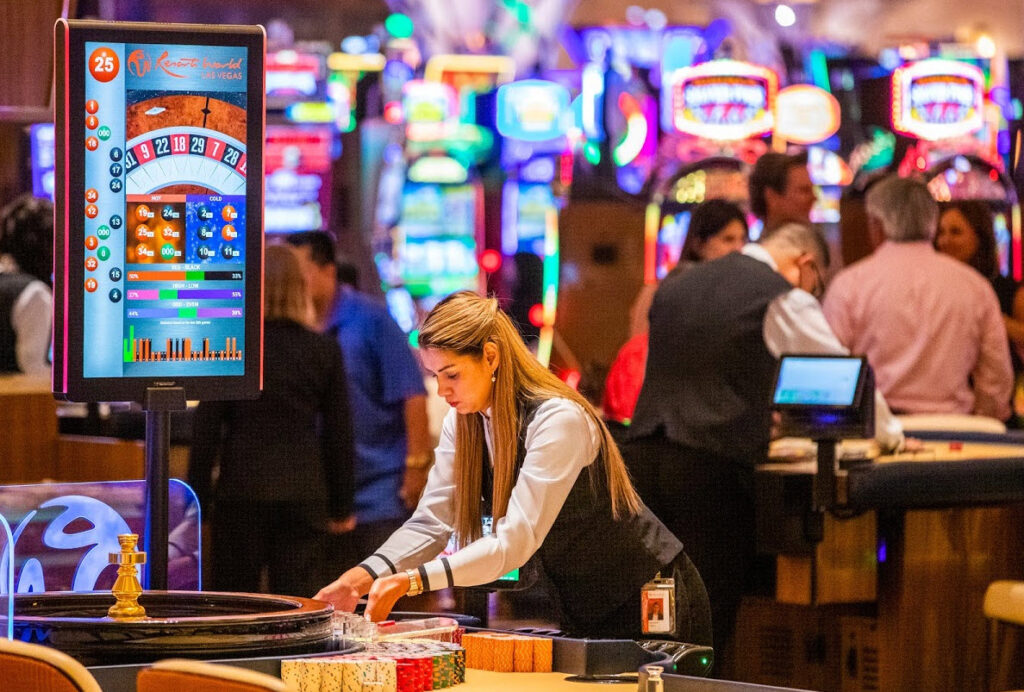
Moreover, the time spent at a casino often translates into reduced physical activity and unhealthy lifestyle choices. Casinos offer easy access to food and drink, making it effortless to indulge in unhealthy choices. Long hours spent sitting at gaming machines or tables can lead to sedentary behavior, impacting overall health. Therefore, taking stock of how frequent casino visits influence lifestyle choices is vital for maintaining a balanced and healthy life.
Psychological Effects of Regular Gambling
The psychological impact of frequent visits to the casino cannot be overstated. The thrill of the game, the excitement of winning, and even the stress of losing can create a rollercoaster of emotions. This unpredictability can lead to feelings of anxiety and restlessness. Over time, individuals may find it hard to manage their moods effectively, leading to anxiety disorders or depression fueled by gambling experiences.
Moreover, the constant stimulation provided by a casino environment can lead to desensitization, where the thrill of gambling diminishes over time. As a result, players may find themselves seeking larger bets or riskier games to achieve the same excitement they once felt. This escalation can further complicate their financial situation and emotional stability, turning a harmless pastime into a detrimental addiction.
Awareness of these psychological effects is critical for frequent casino visitors. Recognizing signs of dependency, such as a preoccupation with gambling or emotional swings related to wins and losses, can help individuals take proactive steps toward addressing their gambling habits. Engaging in counseling or support groups can provide guidance for those seeking to mitigate the psychological ramifications of their gambling lifestyle.
Long-Term Consequences on Finances
The long-term financial consequences of frequent casino visits often extend far beyond immediate losses at the gaming tables. Many individuals underestimate how ongoing gambling can lead to debt accumulation, potentially impacting credit scores and financial stability. Some players may resort to borrowing money or using credit cards to fund their gambling habits, resulting in a mounting debt problem that becomes increasingly difficult to resolve.

Additionally, the long-term impact on retirement savings and investments can be alarming. Frequent gambling can divert funds away from crucial financial planning, as individuals prioritize immediate gratification over future security. In the long run, this can lead to significant financial challenges, including an inability to retire comfortably or even qualify for loans and mortgages due to poor financial history.
Individuals should also consider the opportunity costs associated with frequent casino visits. The time and money spent at a casino could be utilized for alternative investments or personal development activities. Engaging in education, hobbies, or skill development can yield far greater returns in life satisfaction and financial security than the fleeting excitement of gambling. Thus, assessing the long-term consequences of gambling is critical for anyone aiming for sustainable financial well-being.
Exploring Alternatives to Gambling
As the hidden costs of frequent casino visits become clearer, many individuals may seek healthier hobbies or alternatives that provide excitement without the financial burden. Activities such as sports, travel, or engaging in artistic pursuits can offer thrill and joy without the risks associated with gambling. By exploring new hobbies, individuals can find fulfilling ways to spend their time and money.
Communities often provide numerous entertainment options that can deliver a similar adrenaline rush to gambling, such as concert events, team sports, or outdoor adventures. These alternatives allow individuals to enjoy social interactions and build memories without the emotional or financial stress often tied to casinos. Making an effort to engage in local events or group activities can foster a sense of belonging and purpose.
Ultimately, individuals seeking to mitigate the hidden costs of casino visits must take the time to evaluate their interests and passions. By redirecting their energies toward constructive activities that promote well-being and satisfaction, individuals can reclaim their financial stability and enrich their overall quality of life.